Kwon Sejin
- 고요한 풍경
Feb. 6, 2026 - March 7, 2026
권세진은 질문한다. “내가 보고 있는 것은 과연 저 풍경일까, 나의 마음일까.” 그에게 그림을 그린 다는 것, 그리고 그림을 본다는 것은 결국 자신의 마음을 통해 세상을 보는 일이자 내면을 들여다보는 수행이다. 이번 개인전 《고요한 풍경》은 작가가 오랜 시간 천착해 온 기억의 풍경에서 시작하여 마침내 작가가 마주해 온 세계와 시간이 고요히 응축된 상태로 나아가는 여정을 그린다.
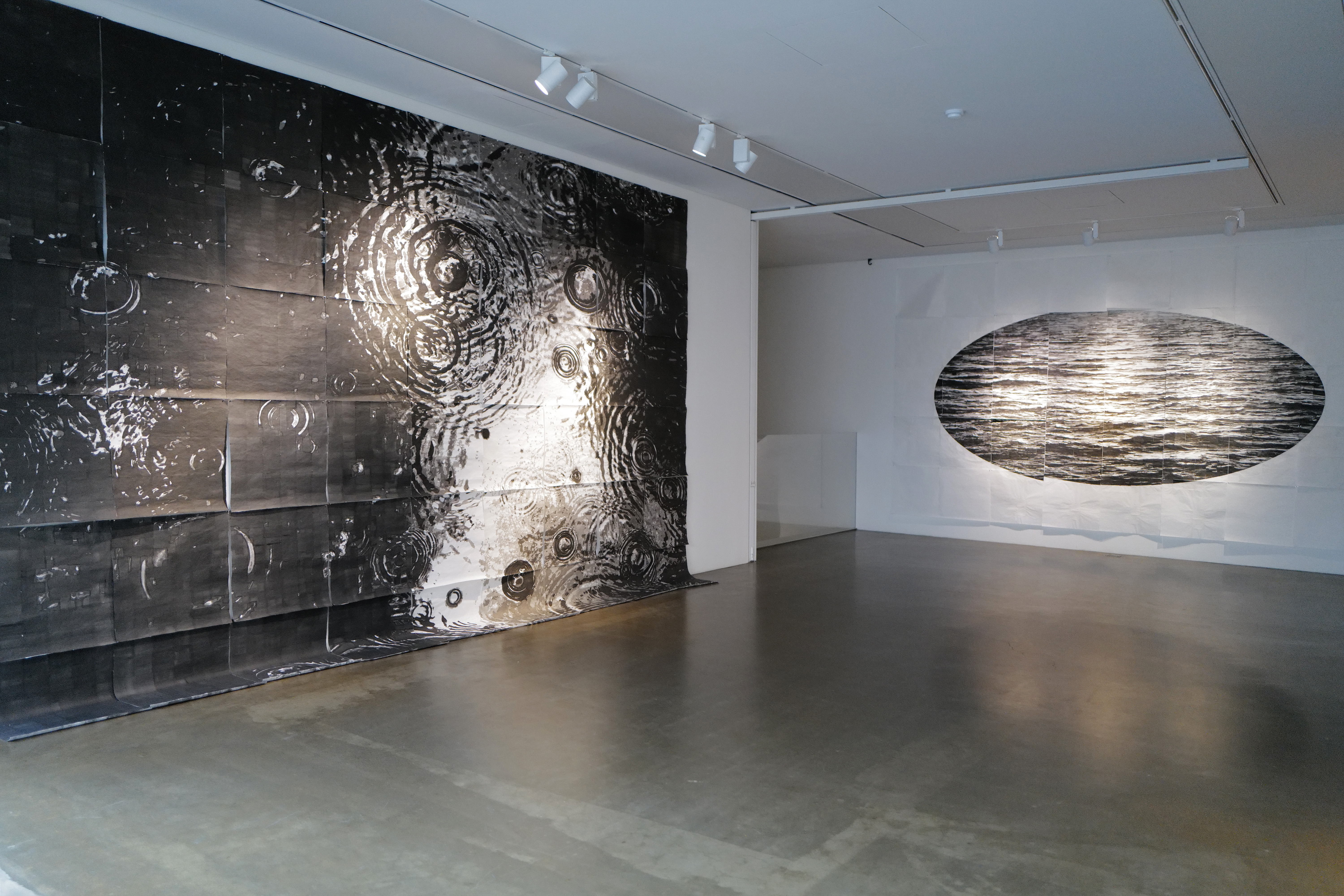
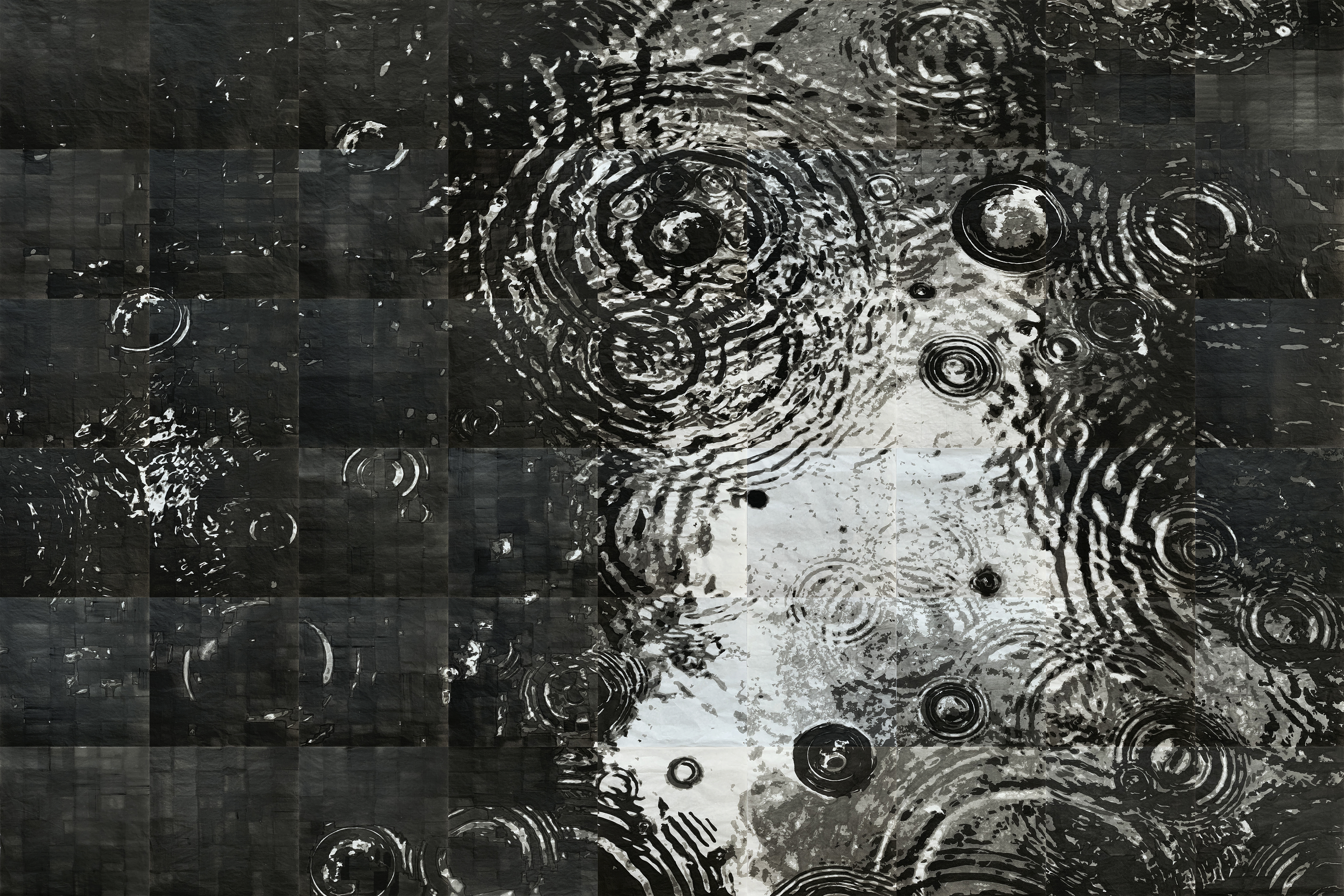
전시의 시작인 1층, 흑백의 작은 조각들이 모여 거대한 수면을 이룬다. 하늘에서 떨어진 빗방울이 호수 위에 번져가는 파장과 물결 위로 흩어지는 윤슬은 작가가 감각한 자연의 배열이자 움직임을 포착한 사진을 바탕으로 한다. 가로세로 10cm의 작은 한지 조각들이 집적되어 완성된 대작은 본래 좁은 공간에서의 효율성을 위한 선택에서 출발했다. 그러나 이는 결과적으로 사진이라는 매체가 가진 시간의 층을 물리적, 개념적으로 해체하고 화폭에서 다시 재조립하는 작가만의 독자적인 조형 언어가 되었다.
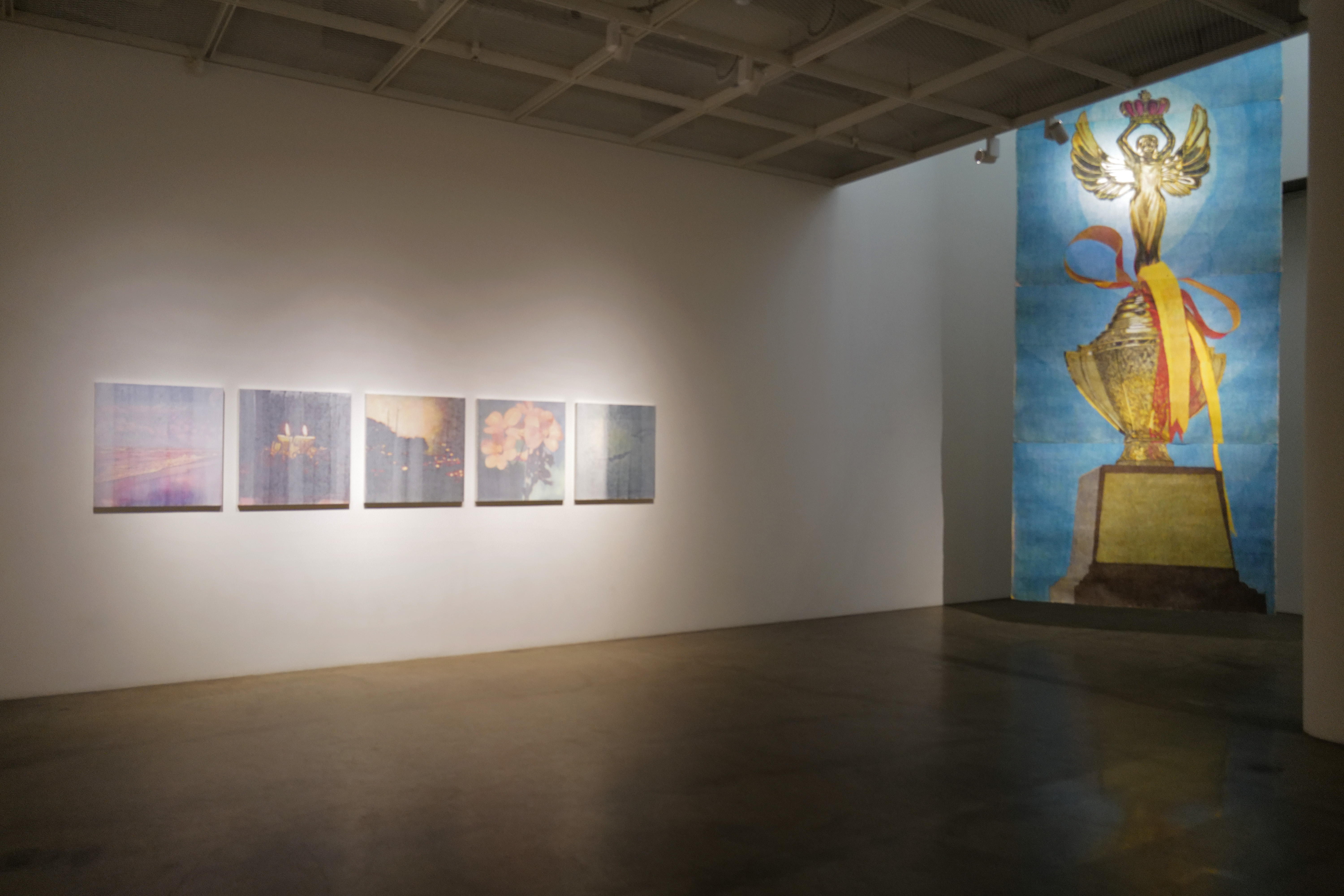
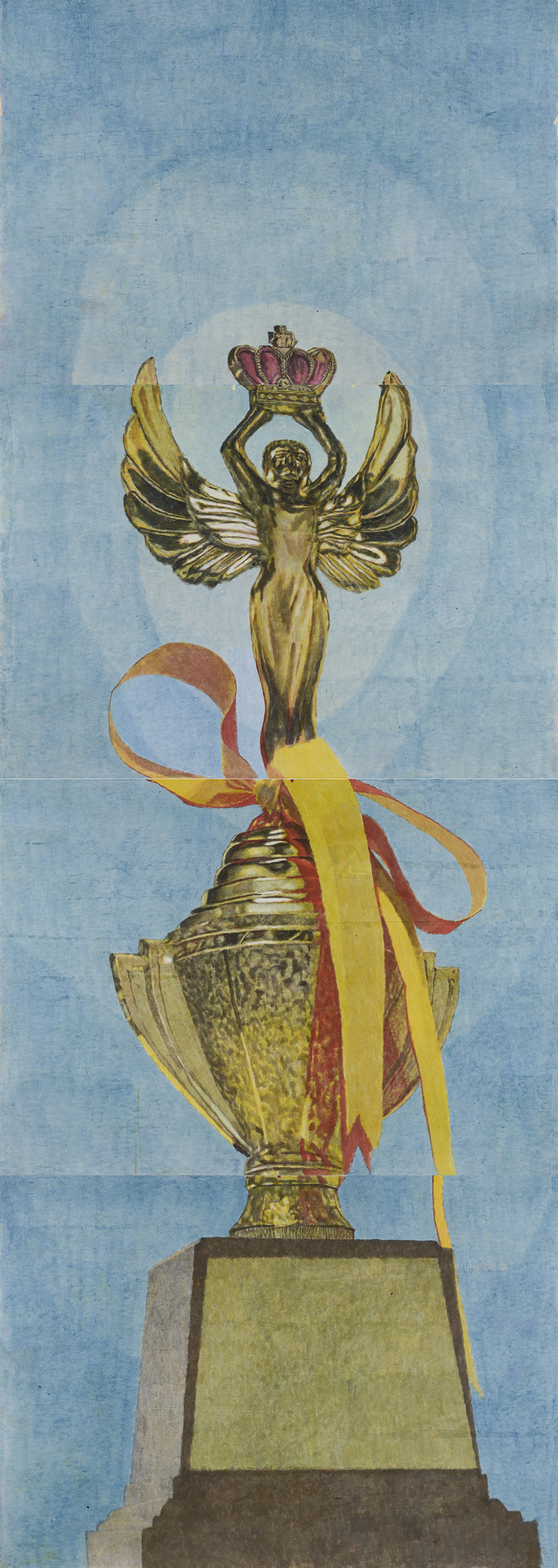
1층과 지하를 잇는 공간에는 트로피를 그린 작품이 자리한다. 이는 작가의 기억 속 폐교가 된 학교의 유물이자 어린 시절의 상징물이지만, 이번 전시에서는 개인의 기억을 보편적인 시간의 층위로 연결하는 가교 역할을 한다. 권세진에게 사물은 단순한 정물이 아니다. 그것은 지나온 시간이 압축되어 저장된 독립된 우주이며, 트로피는 그 감각을 처음으로 인식하게 한 대상이다.
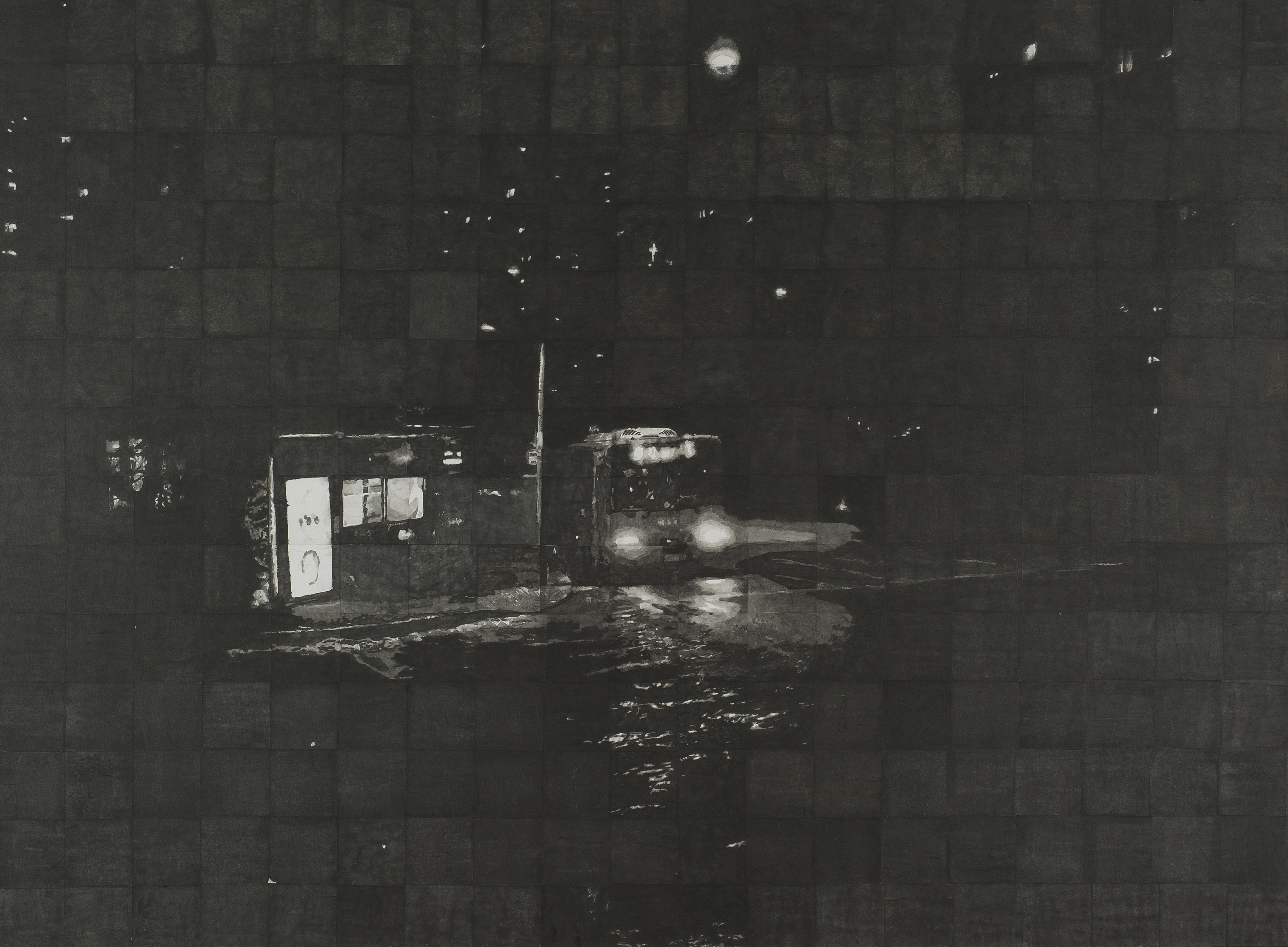
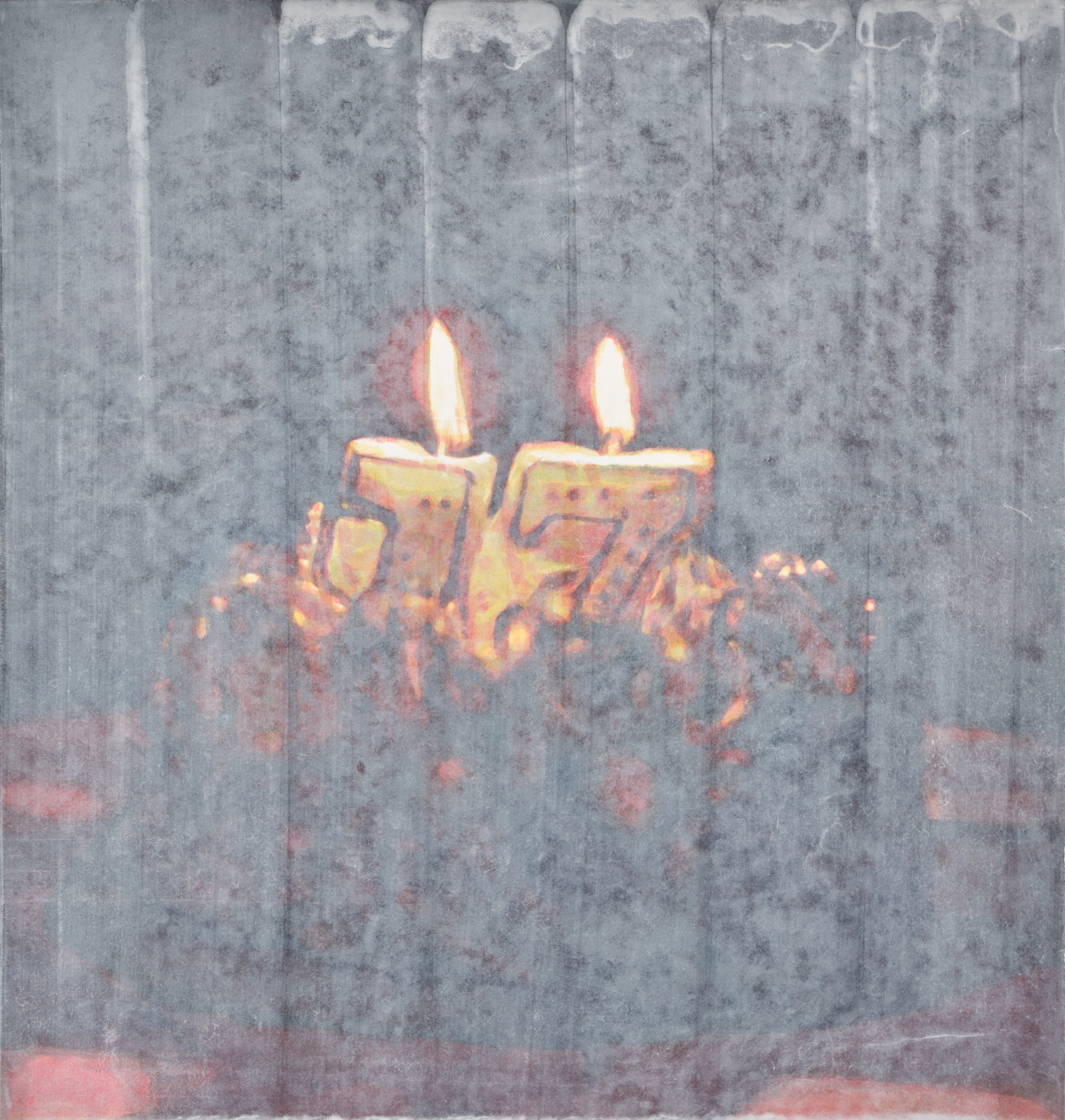
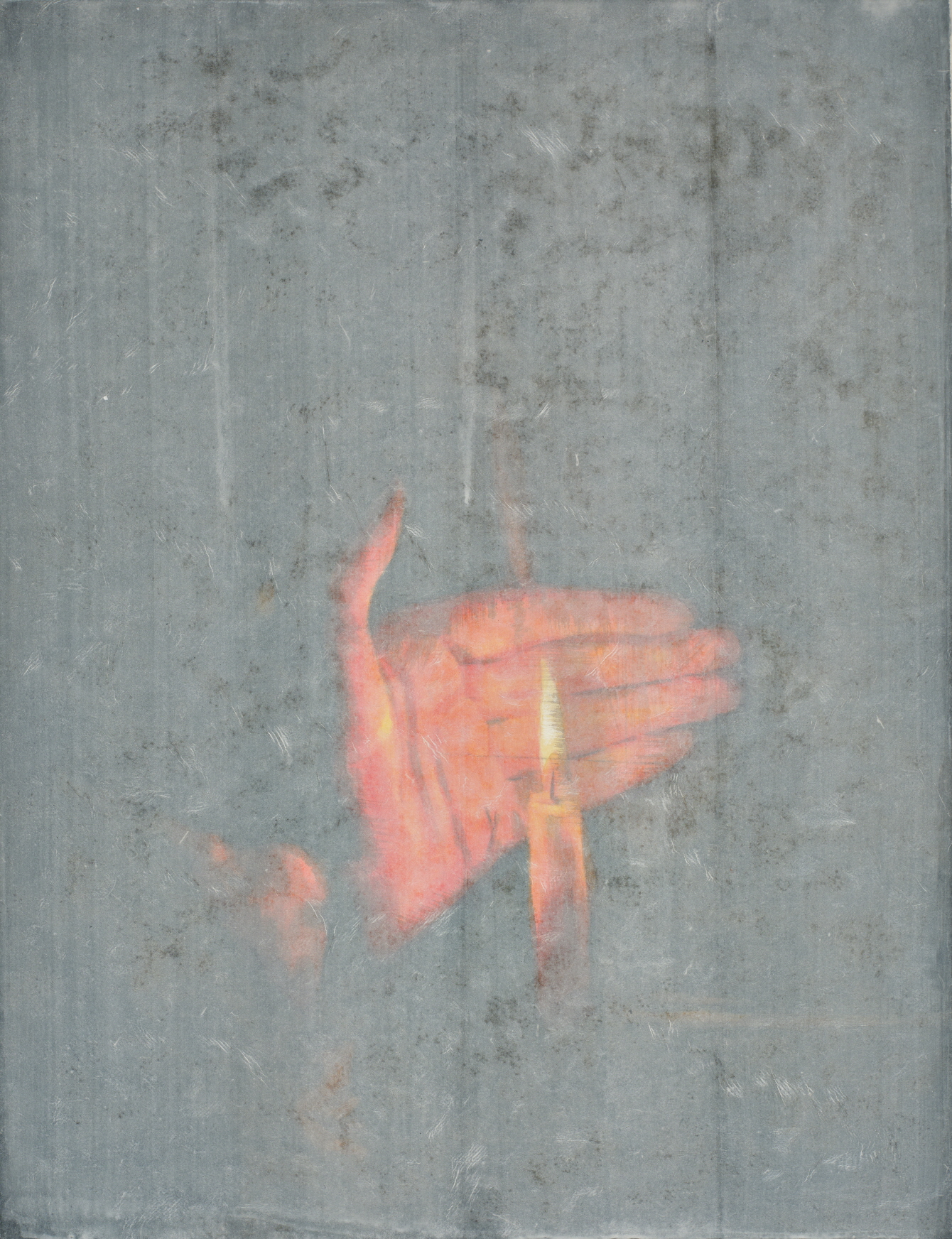
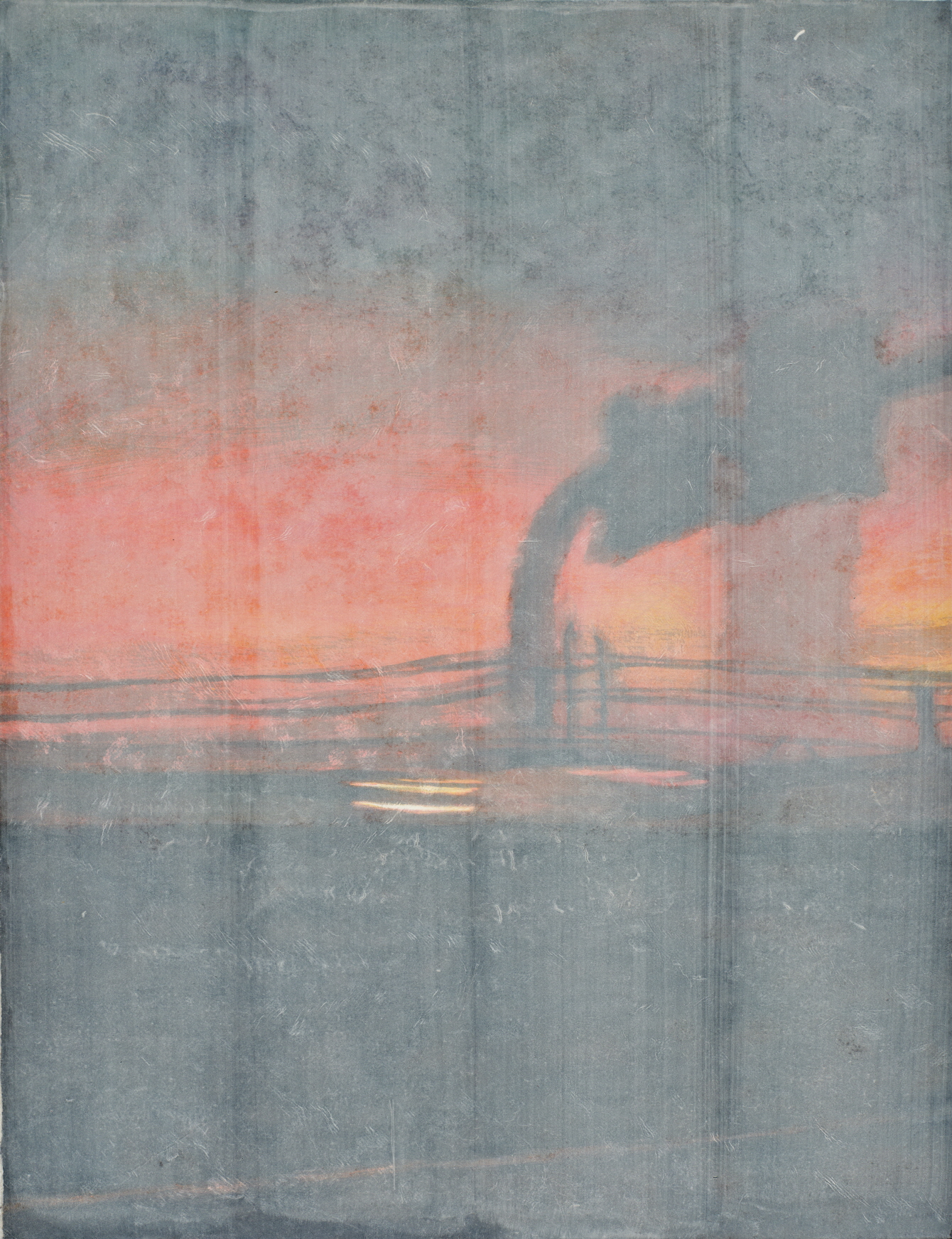
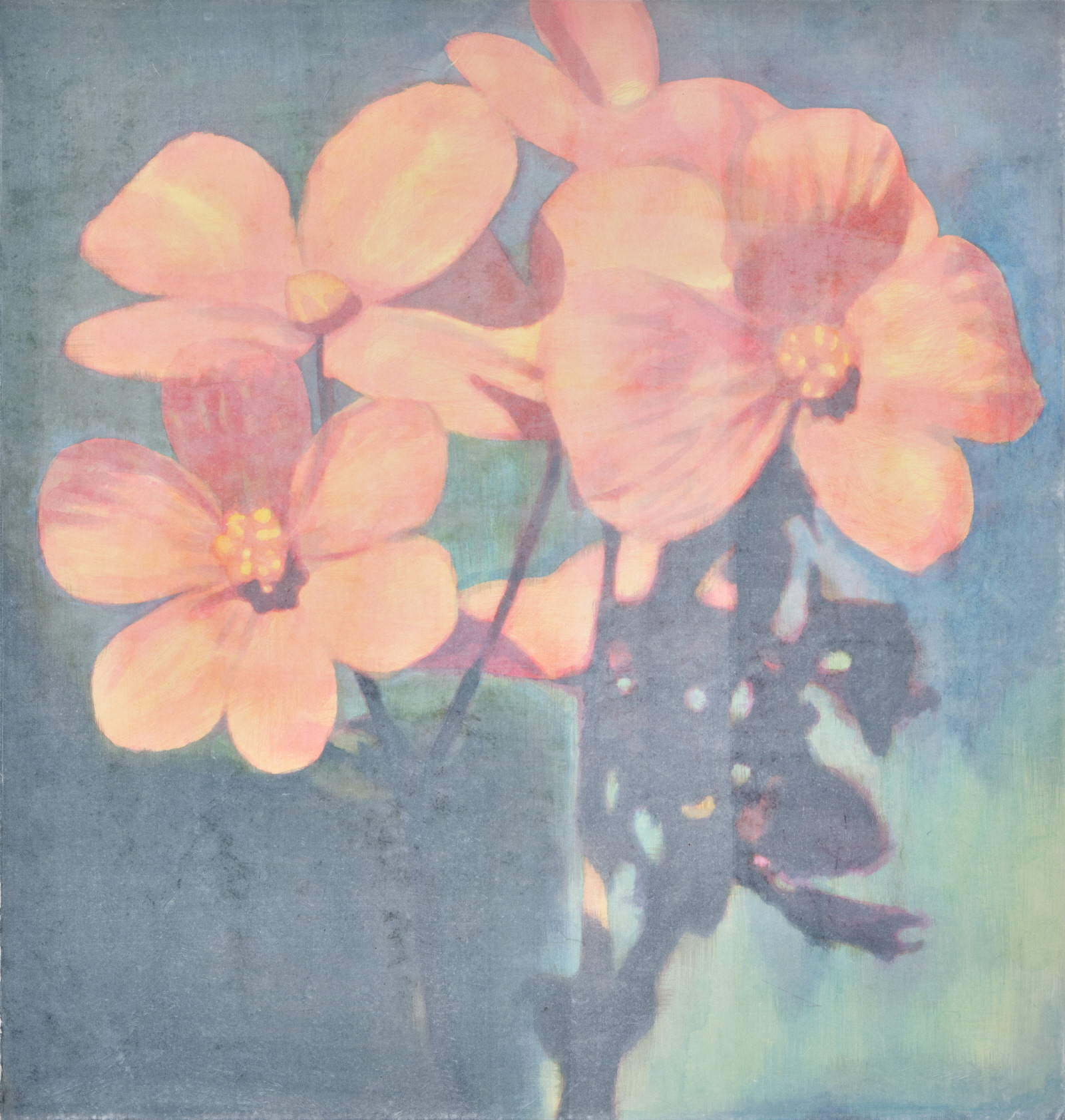
지하 전시장은 작가가 천착해 온 ‘기억’과 ‘시간’이 확장되는 공간이다. 이곳에는 흐릿한 기억의 풍경을 담은 〈Memory Scape〉 시리즈와 신작 〈Quiet Time〉 연작으로 구성된다. 작가는 인터넷 공간을 배회하는 익명의 이미지들, 즉 출처도 맥락도 없이 떠밀려오는 ‘죽은 이미지(Dead Images)’들을 수집하여 연작으로 그려낸다. 그는 잉크젯 프린터의 CMYK 색상 값을 토대로 대상을 정교하게 재현한 뒤, 그 위에 ‘흰 물감’을 덧칠하여 이미지를 지워나간다. 이 행위는 단순한 소거가 아니다. 얇은 커튼이나 안개처럼 드리운 흰 막은 디지털의 매끄러운 표면이 가질 수 없는 불투명한 물질의 두께를 만든다. 작가는 선명함을 지우고 흐릿함을 덧입힘으로써, 오히려 소멸해가는 이미지들에 ‘몸’과 ‘시간’을 부여한다. 관람객은 이 흐린 풍경 속에서 사라진 것과 다시 연결되고 싶은 근원적인 향수(Nostalgia)를 마주하게 된다.
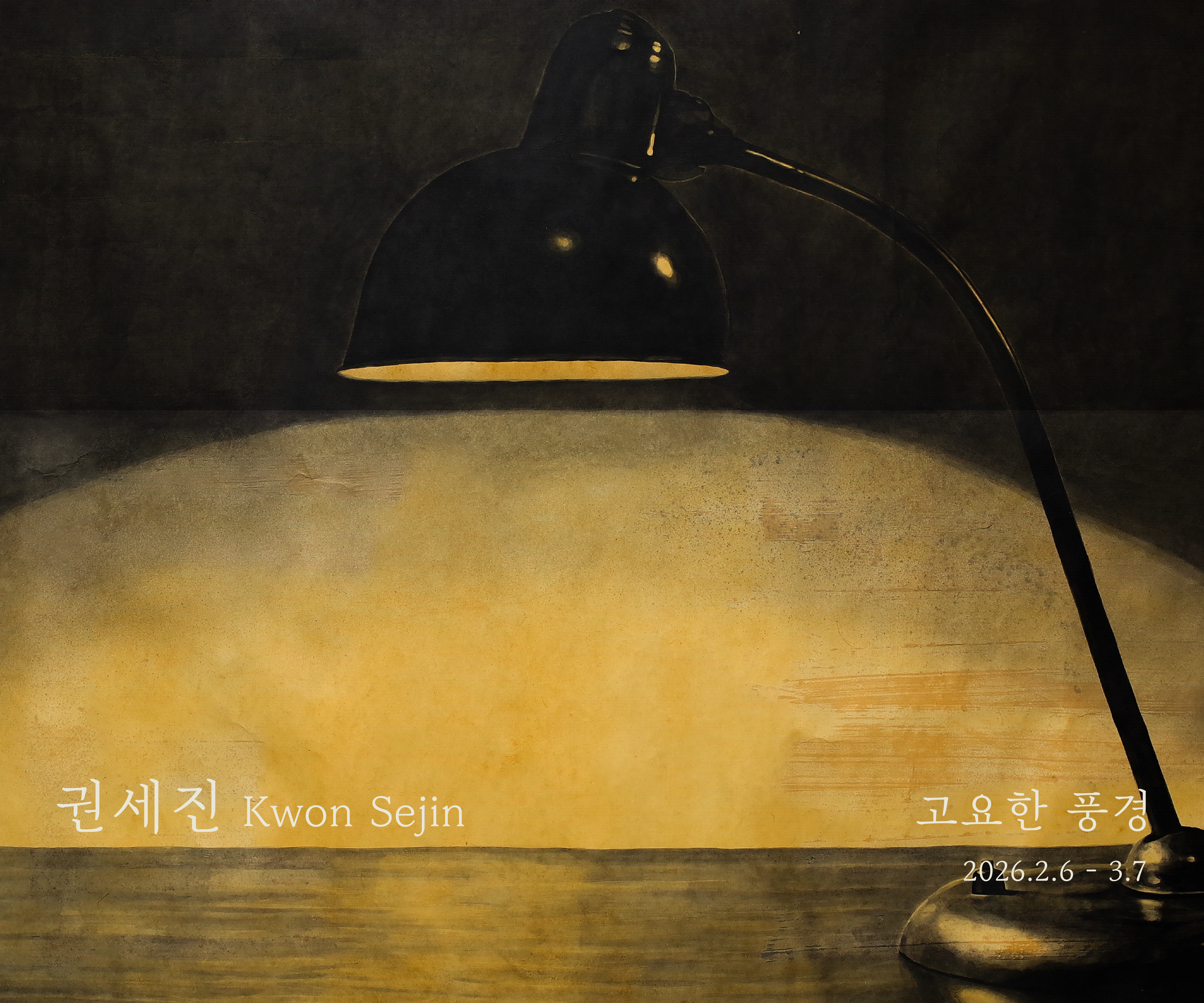
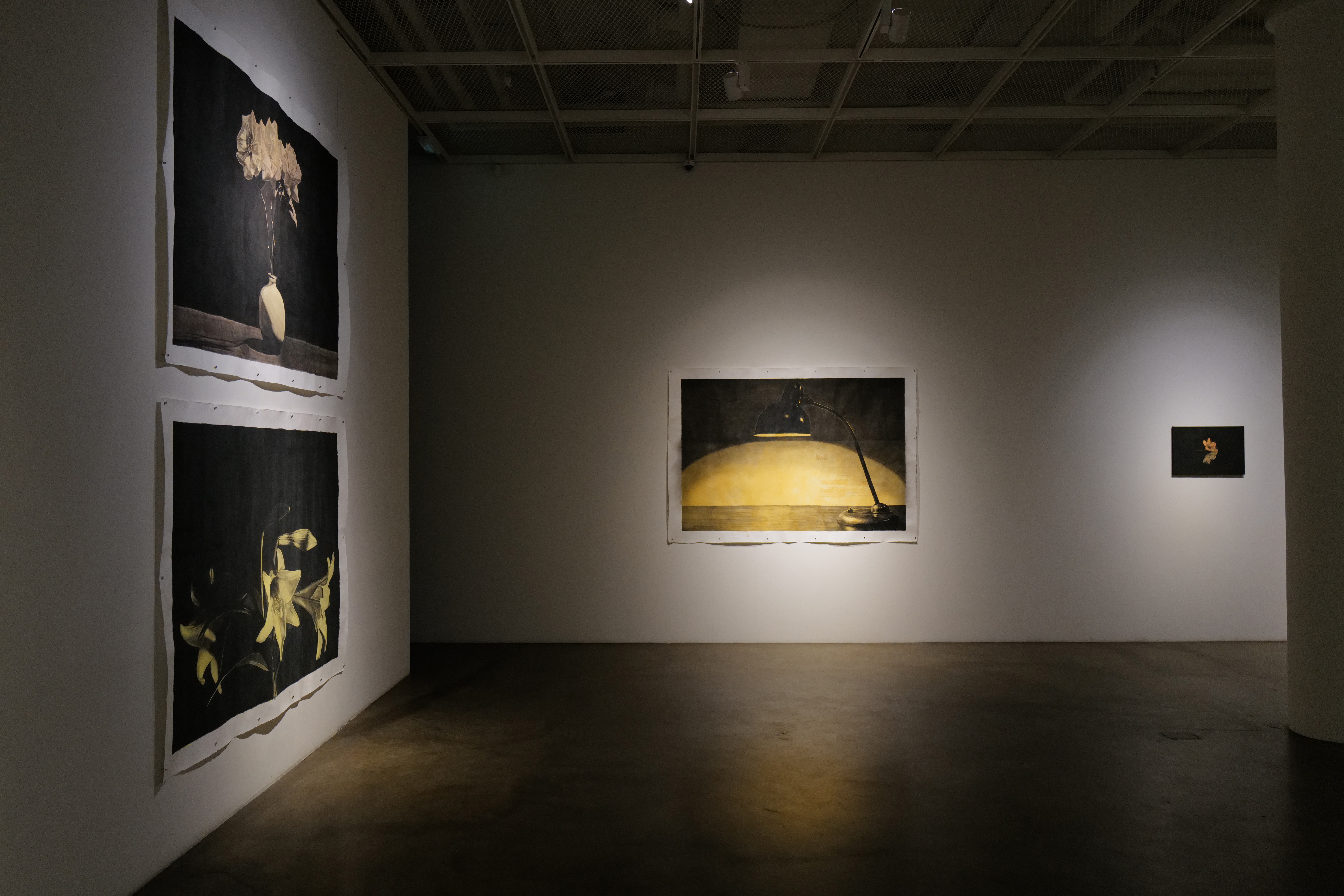
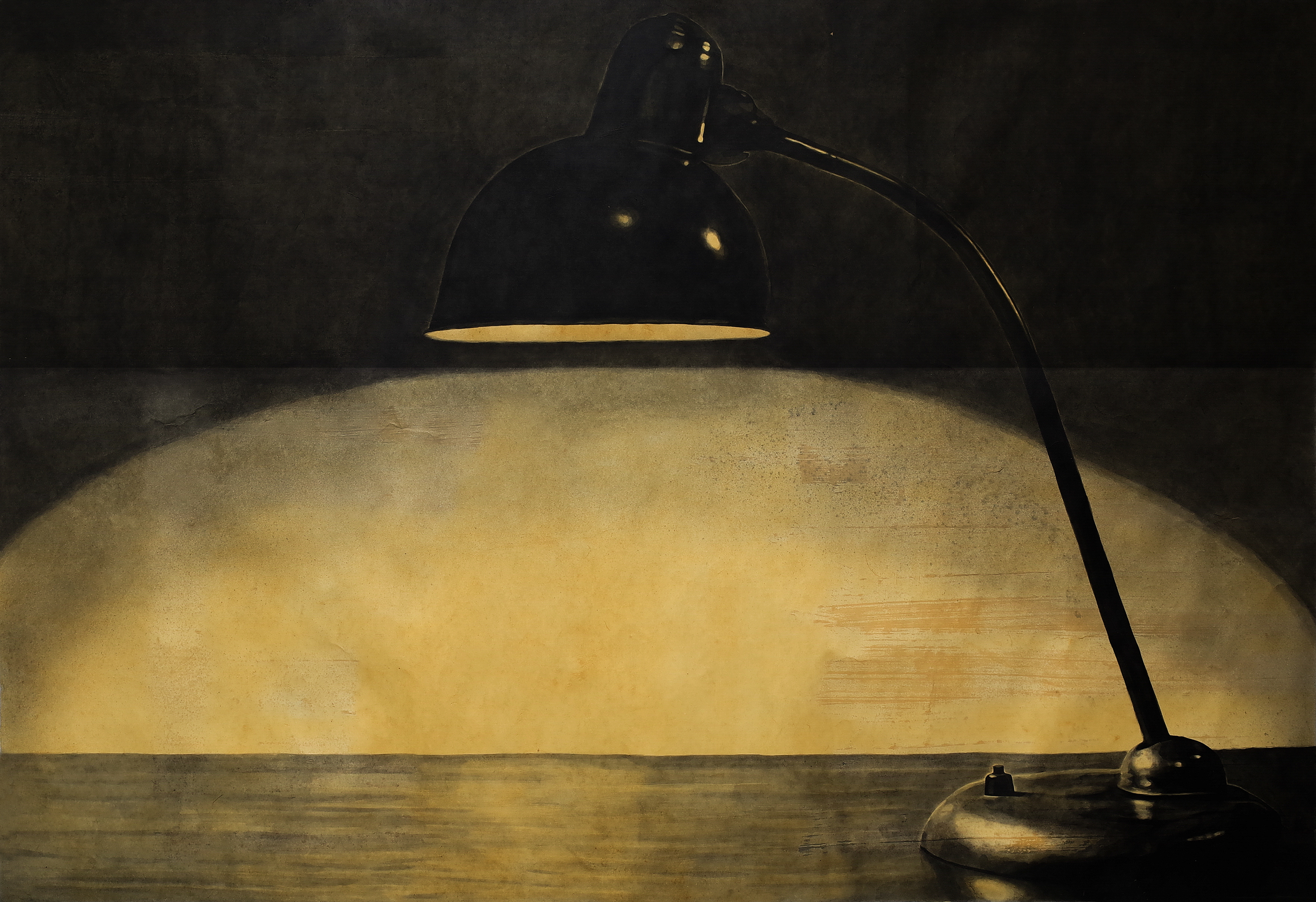
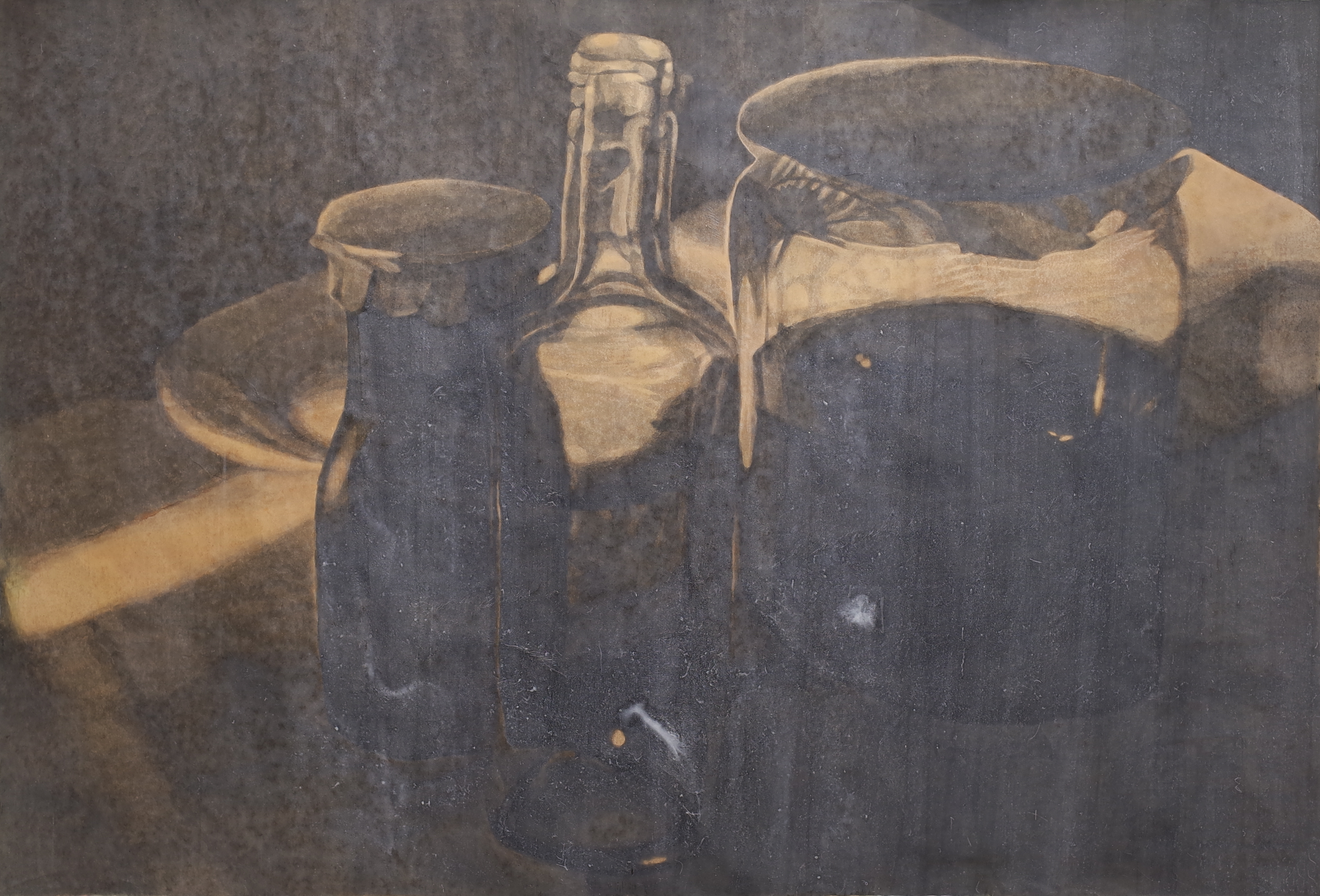
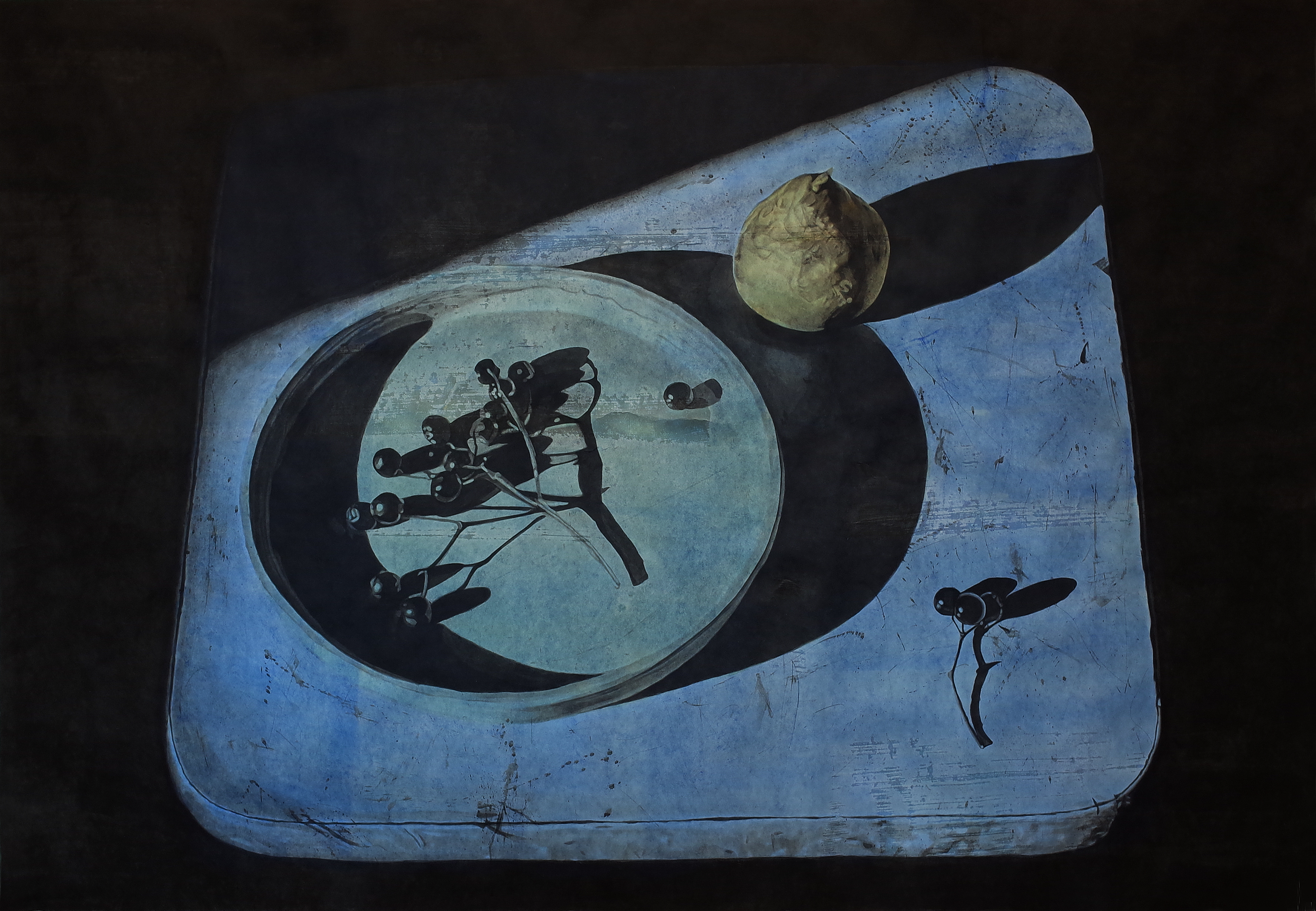
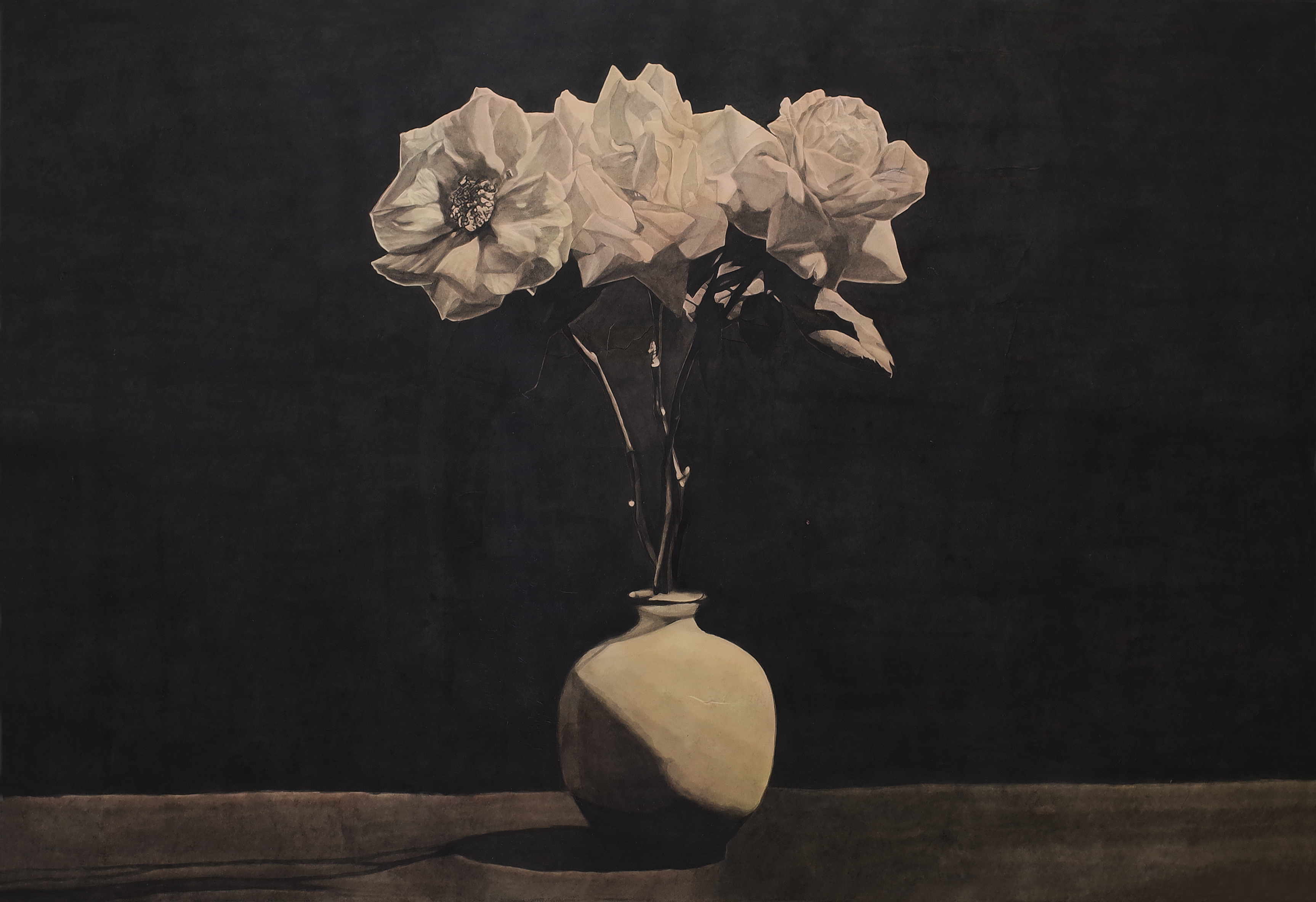
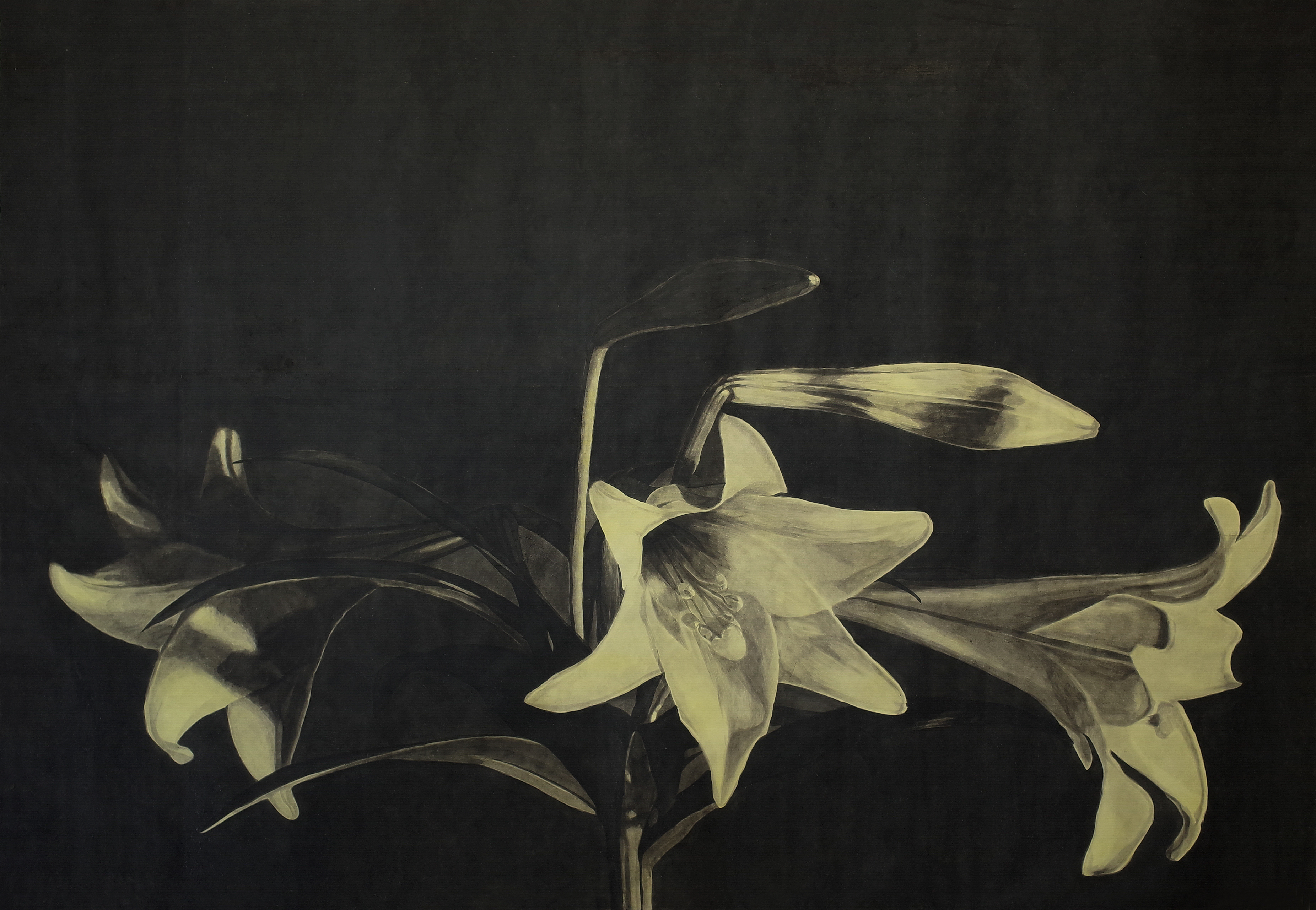
이어지는 신작 〈Quiet Time〉 연작에서 작가의 시선은 더욱 깊은 침잠으로 향한다. 어둠 속에 놓인 꽃과 사물들은 구체적인 형상을 띠고 있지만, 일상적 맥락에서 분리되어 독립된 세계로 존재한다. 특히 이번 신작에 이르러 작가의 시선은 특정한 장소나 기억의 재현을 넘어 하나의 ‘상태’로 진입한다. 여기서 사물을 둘러싼 여백은 단순한 비어있음(空)이 아니다. 그것은 시선을 단순하게 만들고 대상에 오롯이 집중하게 만드는 조건이자, 감정을 투영할 수 있는 마음의 공간이다. 어둠과 빛만이 존재하는 이 공간에서 대상은 무엇을 상징하거나 설명하지 않고, 다만 고요한 상태 그 자체로 머문다. 꽃을 둘러싼 어둠과 빛의 영역을 통해 마치 물속에 잠겨 모든 감각이 차단된 듯한 고요함에 침잠한다. 작가는 대상을 묘사하는 것이 아니라, 자신이 경험했던 고요와 명상의 상태, ‘Quiet Time’으로 관람객을 이끄는 것이다.
권세진의 회화는 얇은 종이 위에 쌓아 올린 시간의 두께이자, 우연과 필연이 교차하며 만든 삶의 은유라 할 수 있다. 빗방울의 파장에서 시작해 사물의 시간을 지나 마침내 온전한 고요의 상태에 이르는 여정의 끝에서 관람객들은 저마다의 풍경을 마주하고, 그 시간으로 오롯하게 침잠할 수 있을 것이다.
전시의 시작인 1층, 흑백의 작은 조각들이 모여 거대한 수면을 이룬다. 하늘에서 떨어진 빗방울이 호수 위에 번져가는 파장과 물결 위로 흩어지는 윤슬은 작가가 감각한 자연의 배열이자 움직임을 포착한 사진을 바탕으로 한다. 가로세로 10cm의 작은 한지 조각들이 집적되어 완성된 대작은 본래 좁은 공간에서의 효율성을 위한 선택에서 출발했다. 그러나 이는 결과적으로 사진이라는 매체가 가진 시간의 층을 물리적, 개념적으로 해체하고 화폭에서 다시 재조립하는 작가만의 독자적인 조형 언어가 되었다.
1층과 지하를 잇는 공간에는 트로피를 그린 작품이 자리한다. 이는 작가의 기억 속 폐교가 된 학교의 유물이자 어린 시절의 상징물이지만, 이번 전시에서는 개인의 기억을 보편적인 시간의 층위로 연결하는 가교 역할을 한다. 권세진에게 사물은 단순한 정물이 아니다. 그것은 지나온 시간이 압축되어 저장된 독립된 우주이며, 트로피는 그 감각을 처음으로 인식하게 한 대상이다.
지하 전시장은 작가가 천착해 온 ‘기억’과 ‘시간’이 확장되는 공간이다. 이곳에는 흐릿한 기억의 풍경을 담은 〈Memory Scape〉 시리즈와 신작 〈Quiet Time〉 연작으로 구성된다. 작가는 인터넷 공간을 배회하는 익명의 이미지들, 즉 출처도 맥락도 없이 떠밀려오는 ‘죽은 이미지(Dead Images)’들을 수집하여 연작으로 그려낸다. 그는 잉크젯 프린터의 CMYK 색상 값을 토대로 대상을 정교하게 재현한 뒤, 그 위에 ‘흰 물감’을 덧칠하여 이미지를 지워나간다. 이 행위는 단순한 소거가 아니다. 얇은 커튼이나 안개처럼 드리운 흰 막은 디지털의 매끄러운 표면이 가질 수 없는 불투명한 물질의 두께를 만든다. 작가는 선명함을 지우고 흐릿함을 덧입힘으로써, 오히려 소멸해가는 이미지들에 ‘몸’과 ‘시간’을 부여한다. 관람객은 이 흐린 풍경 속에서 사라진 것과 다시 연결되고 싶은 근원적인 향수(Nostalgia)를 마주하게 된다.
이어지는 신작 〈Quiet Time〉 연작에서 작가의 시선은 더욱 깊은 침잠으로 향한다. 어둠 속에 놓인 꽃과 사물들은 구체적인 형상을 띠고 있지만, 일상적 맥락에서 분리되어 독립된 세계로 존재한다. 특히 이번 신작에 이르러 작가의 시선은 특정한 장소나 기억의 재현을 넘어 하나의 ‘상태’로 진입한다. 여기서 사물을 둘러싼 여백은 단순한 비어있음(空)이 아니다. 그것은 시선을 단순하게 만들고 대상에 오롯이 집중하게 만드는 조건이자, 감정을 투영할 수 있는 마음의 공간이다. 어둠과 빛만이 존재하는 이 공간에서 대상은 무엇을 상징하거나 설명하지 않고, 다만 고요한 상태 그 자체로 머문다. 꽃을 둘러싼 어둠과 빛의 영역을 통해 마치 물속에 잠겨 모든 감각이 차단된 듯한 고요함에 침잠한다. 작가는 대상을 묘사하는 것이 아니라, 자신이 경험했던 고요와 명상의 상태, ‘Quiet Time’으로 관람객을 이끄는 것이다.
권세진의 회화는 얇은 종이 위에 쌓아 올린 시간의 두께이자, 우연과 필연이 교차하며 만든 삶의 은유라 할 수 있다. 빗방울의 파장에서 시작해 사물의 시간을 지나 마침내 온전한 고요의 상태에 이르는 여정의 끝에서 관람객들은 저마다의 풍경을 마주하고, 그 시간으로 오롯하게 침잠할 수 있을 것이다.
Kwon Sejin asks, “Is what I am looking at that landscape over there, or is it my own mind?” For him, the act of painting and the act of viewing are ultimately ways of seeing the world through one’s own heart—an aesthetic practice of looking inward. This solo exhibition, Quiet Landscape, traces a journey that begins with the landscapes of memory the artist has long explored, eventually moving toward a state where the world and time he has faced are quietly condensed.
On the first floor, where the exhibition begins, small black-and-white fragments gather to form a vast surface of water. The ripples of raindrops spreading across a lake and the shimmering light (yoonseul) scattering over waves are based on photographs that capture the arrangements and movements of nature as sensed by the artist. These large-scale works, completed by accumulating small pieces of hanji (Korean paper) measuring 10cm by 10cm, initially began as a practical choice for efficiency in narrow spaces. However, this evolved into the artist’s unique formal language, physically and conceptually deconstructing the layers of time inherent in the medium of photography and reassembling them on the canvas.
In the space connecting the first floor and the basement, there is a work depicting a trophy. While this is an artifact from a closed school in the artist's memory and a symbol of childhood, in this exhibition, it serves as a bridge connecting personal memory to a universal layer of time. For Kwon Sejin, an object is not a mere still life. It is an independent universe where past time is compressed and stored, and the trophy is the object that first made him aware of that sensation.
The basement exhibition hall is a space where the themes of memory and time that the artist has focused on are expanded. It consists of the Memory Scape series, which captures landscapes of hazy memories, and the new Quiet Time series. The artist collects anonymous images wandering through internet space—"dead images" that drift without source or context—and renders them into series. After precisely reproducing the subjects based on the CMYK color values of an inkjet printer, he paints over them with white pigment to erase the image. This act is not simple erasure. The white film, draped like a thin curtain or mist, creates a thickness of opaque matter that the smooth surface of digital media cannot possess. By erasing clarity and layering blurriness, the artist grants a body and time to these fading images. In this blurred landscape, viewers confront a fundamental nostalgia—a desire to reconnect with what has vanished.
In the subsequent new series, Quiet Time, the artist’s gaze moves toward a deeper state of immersion. Flowers and objects placed in darkness possess concrete forms, yet they exist as independent worlds, separated from their everyday contexts. In these new works particularly, the artist’s perspective transcends the reproduction of specific places or memories and enters a specific state. Here, the void surrounding the objects is not mere emptiness. It is a condition that simplifies the gaze and allows for absolute focus on the subject, a space of the mind where emotions can be projected. In this space where only darkness and light exist, the object does not symbolize or explain anything; it simply remains in a state of quietude itself. Through the realms of light and shadow surrounding the flowers, one sinks into a silence as if submerged in water, where all other senses are cut off. The artist is not describing an object, but rather leading the viewer into the state of stillness and meditation he experienced: a Quiet Time.
Kwon Sejin’s paintings can be described as the thickness of time piled atop thin paper, and a metaphor for life created by the intersection of chance and necessity. At the end of this journey—starting from the ripples of raindrops, passing through the time of objects, and finally reaching a state of complete silence—viewers will encounter their own landscapes and be able to fully immerse themselves in that time.
On the first floor, where the exhibition begins, small black-and-white fragments gather to form a vast surface of water. The ripples of raindrops spreading across a lake and the shimmering light (yoonseul) scattering over waves are based on photographs that capture the arrangements and movements of nature as sensed by the artist. These large-scale works, completed by accumulating small pieces of hanji (Korean paper) measuring 10cm by 10cm, initially began as a practical choice for efficiency in narrow spaces. However, this evolved into the artist’s unique formal language, physically and conceptually deconstructing the layers of time inherent in the medium of photography and reassembling them on the canvas.
In the space connecting the first floor and the basement, there is a work depicting a trophy. While this is an artifact from a closed school in the artist's memory and a symbol of childhood, in this exhibition, it serves as a bridge connecting personal memory to a universal layer of time. For Kwon Sejin, an object is not a mere still life. It is an independent universe where past time is compressed and stored, and the trophy is the object that first made him aware of that sensation.
The basement exhibition hall is a space where the themes of memory and time that the artist has focused on are expanded. It consists of the Memory Scape series, which captures landscapes of hazy memories, and the new Quiet Time series. The artist collects anonymous images wandering through internet space—"dead images" that drift without source or context—and renders them into series. After precisely reproducing the subjects based on the CMYK color values of an inkjet printer, he paints over them with white pigment to erase the image. This act is not simple erasure. The white film, draped like a thin curtain or mist, creates a thickness of opaque matter that the smooth surface of digital media cannot possess. By erasing clarity and layering blurriness, the artist grants a body and time to these fading images. In this blurred landscape, viewers confront a fundamental nostalgia—a desire to reconnect with what has vanished.
In the subsequent new series, Quiet Time, the artist’s gaze moves toward a deeper state of immersion. Flowers and objects placed in darkness possess concrete forms, yet they exist as independent worlds, separated from their everyday contexts. In these new works particularly, the artist’s perspective transcends the reproduction of specific places or memories and enters a specific state. Here, the void surrounding the objects is not mere emptiness. It is a condition that simplifies the gaze and allows for absolute focus on the subject, a space of the mind where emotions can be projected. In this space where only darkness and light exist, the object does not symbolize or explain anything; it simply remains in a state of quietude itself. Through the realms of light and shadow surrounding the flowers, one sinks into a silence as if submerged in water, where all other senses are cut off. The artist is not describing an object, but rather leading the viewer into the state of stillness and meditation he experienced: a Quiet Time.
Kwon Sejin’s paintings can be described as the thickness of time piled atop thin paper, and a metaphor for life created by the intersection of chance and necessity. At the end of this journey—starting from the ripples of raindrops, passing through the time of objects, and finally reaching a state of complete silence—viewers will encounter their own landscapes and be able to fully immerse themselves in that time.